
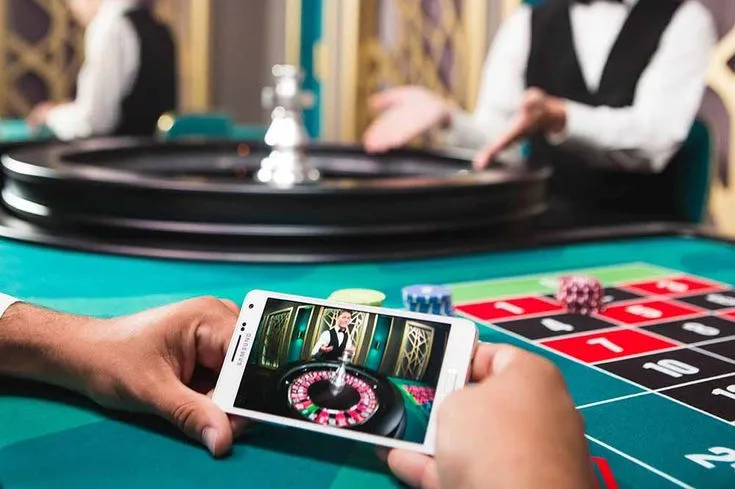
Live casino platforms need to fit video, betting controls, balances, timers, and game information onto a screen far smaller than a desktop monitor. Someone browsing an Online Live Casino Malaysia section on a phone may see the same table presented differently in portrait and landscape orientation. Elements can move, collapse, or resize so the important actions remain accessible. These layout changes affect usability and visibility, but they do not alter the physical result or settlement rules. Understanding mobile prioritization helps users distinguish interface design from game mechanics.
Portrait Mode Prioritizes Vertical Space
Portrait mode gives more vertical room for stacked interface elements but less width for a large table view. Platforms may place the dealer video at the top and betting controls below it.
Menus can collapse into icons or drawers so they do not cover the active game. The objective is to keep essential information readable without forcing the user to rotate the phone for every decision.
Landscape Gives the Video More Width
Landscape orientation can provide a wider view of the table, which is useful for roulette layouts, dealer video, or blackjack seat positions. Betting controls may appear beside or over part of the stream.
Someone using an OK88 Online Casino Malaysia interface may prefer this orientation for visual context, but the game itself remains the same. Rotating the device does not create a new round or change an accepted wager.
Controls Move According to Priority
Mobile interfaces cannot show every desktop element at full size simultaneously. Designers therefore prioritize betting buttons, stake controls, timers, and result information while placing secondary functions behind menus.
Chat, statistics, roadmaps, or table details may be collapsible. This does not mean the information has disappeared from the game; it has simply been reorganized to fit the smaller viewing area.
Touch Targets Need More Space
A mouse pointer can select a small desktop control accurately, but fingers require larger touch areas. Mobile betting interfaces therefore need enough spacing to reduce accidental taps.
This is especially important when several betting options appear close together. A well-designed layout should make the selected market and stake visible before confirmation rather than relying only on tiny buttons or dense labels.
Video and Data Share Bandwidth
Live casino on mobile combines streaming video with constantly updating betting data. A weaker connection can cause the video quality to adjust or the stream to buffer while the betting interface continues receiving game information.
The platform may prioritize stable delivery over maximum resolution. A lower-quality video image does not change the official result, which is still recorded through the live game and settlement system.
Orientation Changes Should Preserve the Round
Switching between portrait and landscape should reorganize the interface rather than restart the active game. The current table, betting window, and accepted wagers need to remain tied to the same round.
If the device briefly redraws the screen during rotation, users should wait for the interface to stabilize before making another action. The bet record remains the clearest reference for what has actually been accepted.
Small Screens Increase the Need for Clarity
On a compact display, users can more easily miss a table limit, side-bet label, or countdown if the interface is crowded. Reading the full table information before placing a wager becomes especially important.
A visually impressive mobile design is useful only when it keeps the rules and active selections understandable. Presentation should support decisions rather than hide essential information behind decorative elements.
Mobile Convenience Can Increase Pace
Phones make live tables accessible without a desktop setup, which can also make sessions easier to start and continue. That convenience does not reduce the financial risk of repeated wagering.
Session reminders, fixed budgets, and deliberate breaks can be useful because a mobile device is always close at hand. Good interface design improves access; it does not make the underlying outcomes more predictable.
Conclusion
Portrait and landscape layouts are two ways of organizing the same live casino information on a small screen. Portrait mode often stacks video and controls vertically, while landscape can provide a wider table view and reposition betting tools around the stream.
The important point is that orientation changes presentation, not the game result. Clear touch targets, visible timers, readable rules, and stable round state matter more than decorative design. Understanding mobile layout helps users navigate the interface while keeping the physical game and settlement process separate from how it is displayed.