A storm can drop a foot of water on a street in one night. By morning, basements are soaked and floors are ruined. Owners wake up scared and unsure. Rapid response crews exist for that moment, and they move before damage spreads.
Quick help matters most in the first day. That is when professional Emergency Flood Cleanup Services can stop small damage from becoming a huge repair bill. Here is what these teams do, step by step, and why speed changes everything.
Why the First Hours Matter
Water does not wait. Within hours, it seeps into drywall, wood, and carpet padding. Within a day or two, mold spores start to grow. A wet floor today can mean a rotten subfloor next week. Crews know this clock, so they arrive with pumps already loaded and ready.
Fast Emergency Water Removal is the first job on any flooded site. Standing water is heavy, and it hides nails, glass, and live wires. Pulling it out lowers risk for the family and the building. It also makes every later step easier and cheaper.
Safety Checks Before Any Work
Nobody should step into a flooded room before it is checked. Crews look at power, gas lines, and the structure first. Water and electricity make a deadly pair. If power is on, they shut it off at the main panel. Then they walk in with boots, gloves, and masks.
Floodwater is often dirty. It can carry sewage, chemicals, and bacteria from the street. A quick test tells the team how to handle it. Sometimes a basement leak is clean. Sometimes it is not, and the plan changes right there on the spot.
Pumps, Vacuums, and Heavy Tools
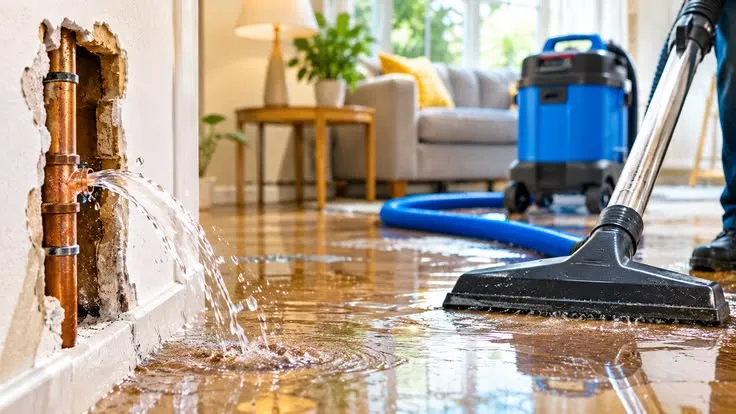
Big pumps do the first heavy lifting, moving hundreds of gallons in minutes. Then wet vacuums pull water from carpet fibers and tight corners. A soaked room starts to look normal again, almost like magic. Really, it is just good equipment and trained hands doing steady work.
Crews also carry moisture meters. These small gadgets show hidden damp inside walls and floors. A room can feel dry to the touch and still hold water behind the paint. Without a meter, wet spots stay buried and trouble returns weeks later.
Drying and Dehumidifying Every Corner
Pumping is only half the story. Air movers blow across wet surfaces, and dehumidifiers pull moisture from the air. Together they dry a space from the inside out. This stage often takes three to five days. Rushing it leaves damp pockets behind, so patience pays off here.
Technicians check readings daily and move machines as needed. Think of baking bread. Take it out early and the middle stays raw. Fully dry walls and floors mean fewer odors, less mold, and stronger repairs. Skip this part and the house pays for it later.
Cleaning, Sanitizing, and Mold Control
After the water is gone the dirt it left behind need attention. Crews scrub floors and walls, then apply sanitizers that kill germs. Items that cannot be saved, like soaked carpet padding, get removed. It is hard to throw things out. Still, contaminated materials cause bigger trouble if they stay.
Mold control is a big part of this stage. Teams treat surfaces and use air scrubbers to clean the air. Strong Emergency Flood Cleanup Services also look in hidden spots, like behind baseboards and under cabinets. Those places stay damp longest, and mold loves them.
Working With Your Insurance Claim
Paperwork feels heavy after a flood. Good crews help by taking photos, writing notes, and listing every damaged item. These records support an insurance claim. Adjusters want proof, and a clear file moves things along faster. Keep your own copies too, in case something gets lost.
Ask the team what they will document before work starts. Many also talk directly with adjusters, which saves the homeowner a few stressful calls. Fast Emergency Water Removal and prompt drying often show insurers that you acted in time. That can matter a lot when costs are reviewed.
Conclusion
Floods are scary, yes, but recovery does not have to be chaotic. A clear plan, the right tools, and a quick start protect floors, walls, and health. Teams at movefastrestoration.com follow that same order every time: make it safe, remove water, dry, clean, and rebuild.
Call early, even if you are not sure how bad it looks. A short visit can reveal damage you cannot see. Acting within the first day gives your home its best chance. Rapid response keeps a bad night from becoming a bad year.