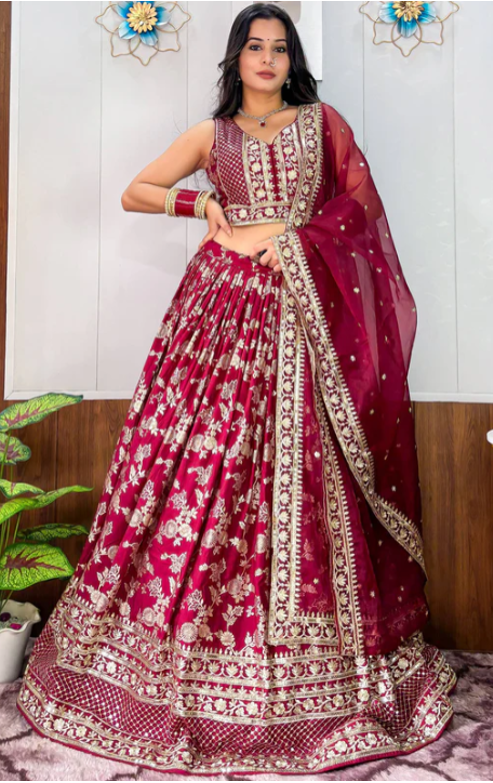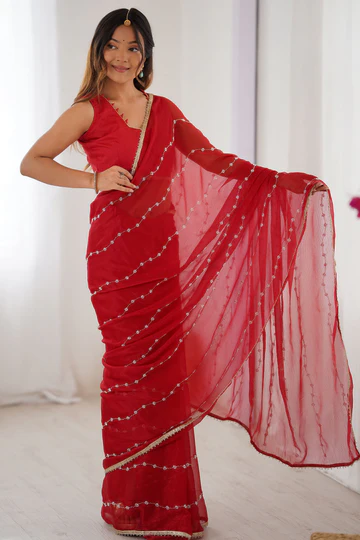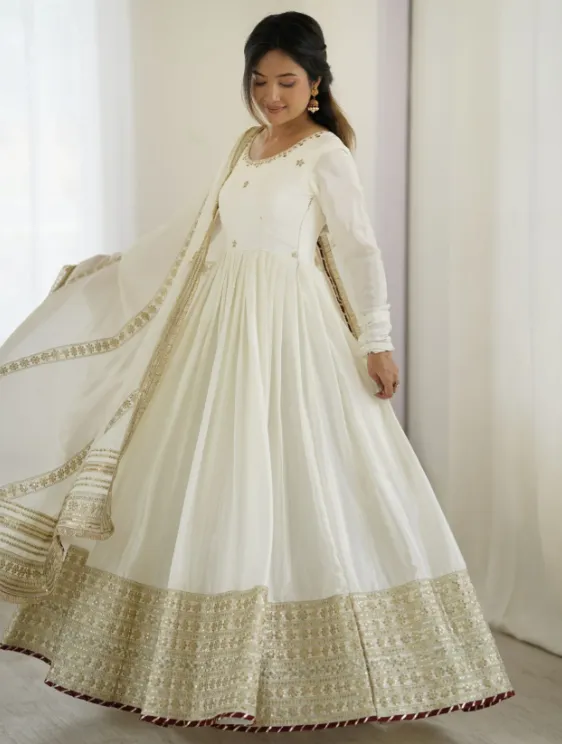
Wedding celebrations often move through very different moods in a single day. A traditional ceremony may call for graceful dressing, while the evening can feel livelier and more social. Designer Anarkali suits for Wedding occasions work well in this setting because the silhouette can look formal without becoming difficult to carry for hours.
The challenge is making one outfit feel appropriate from the first ritual to the final photographs. Small changes in accessories, draping, makeup, and footwear can help an Anarkali adapt without requiring a complete outfit change.
Choose a Silhouette That Can Travel Through the Day
A heavily structured outfit may look impressive at the ceremony but feel tiring later. A balanced Anarkali with a comfortable fitted bodice and manageable flare offers more flexibility.
The length should work with your footwear, and the sleeves should allow easy movement. If the event includes sitting on the floor, greeting guests, or dancing, test those movements before deciding on the outfit.
Let Daylight Influence the Colour and Surface Work
Daytime wedding functions usually reveal fabric and embroidery very clearly. Soft gold, ivory, peach, sage, dusty pink, powder blue, and muted jewel tones can look elegant without appearing overly dramatic.
Surface work should also suit natural light. Thread embroidery, zari borders, sequins used in moderation, and textured fabrics can add richness without making the outfit feel too heavy.
A daytime-friendly Anarkali may benefit from:
-
Softer metallic detailing rather than dense sparkle
-
Lightweight dupattas that are easy to manage
-
Embroidery concentrated around the neckline or hem
-
Colours that work in both sunlight and indoor lighting
-
Comfortable lining for long hours of wear
Make the Dupatta Work in Two Different Ways
The dupatta can change the mood of the outfit faster than almost any other element. During the ceremony, a more traditional front drape or neatly pinned shoulder style can create a composed appearance.
Later, the same dupatta can be shifted to one shoulder or draped more loosely for easier movement. If it has a heavy border, secure it well so the weight does not pull at the neckline or sleeves.
Refresh the Look for the Evening
When the celebration becomes more relaxed, women party dresses may seem like the obvious choice, but an Anarkali can transition just as effectively with a few styling changes. The flowing silhouette already has movement, and a stronger accessory or beauty look can make it feel evening-ready.
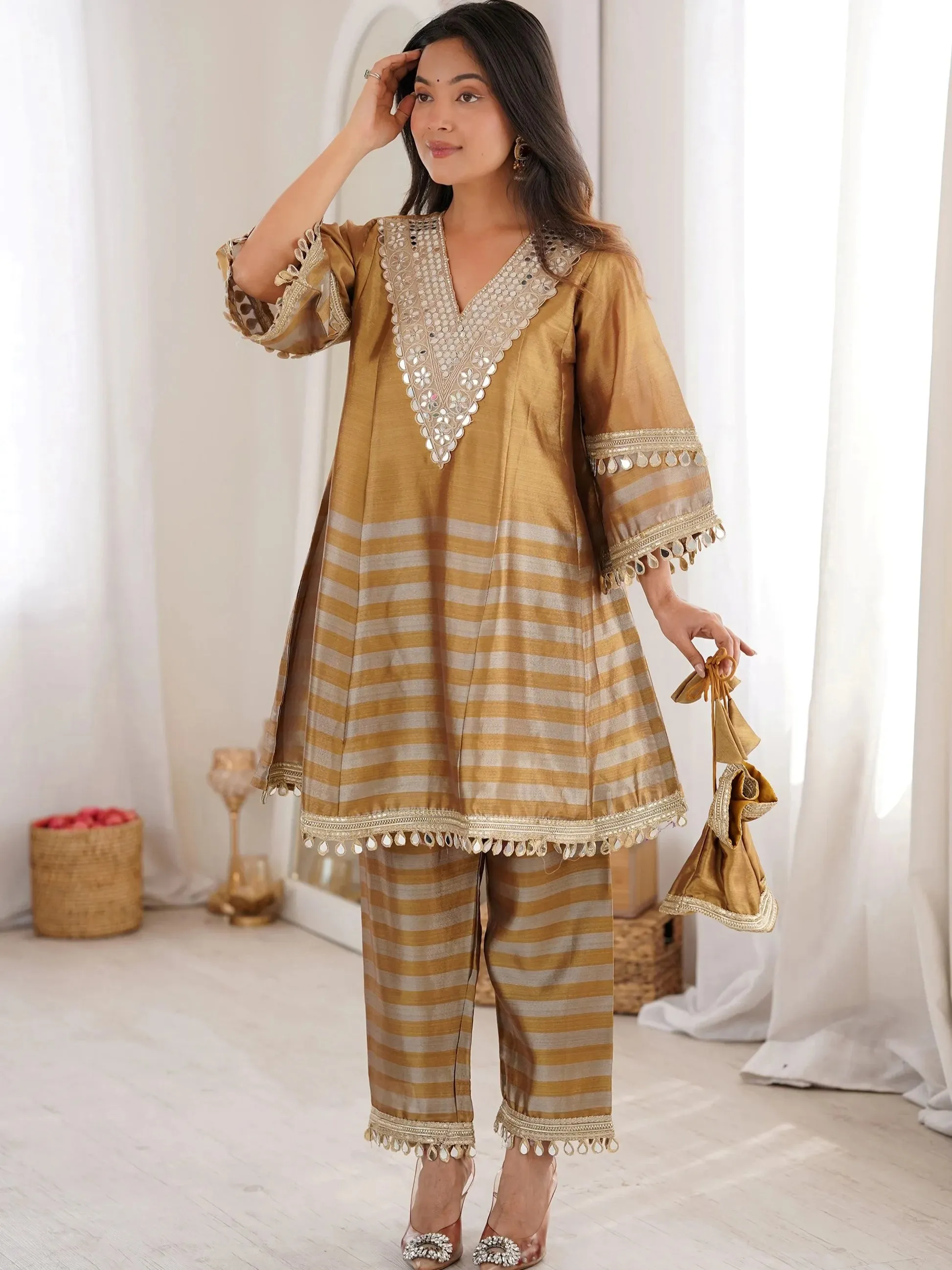
Swap delicate daytime earrings for a statement pair, deepen the lip colour, or add a small clutch with metallic detailing. These changes can create a new mood without losing the elegance of the original outfit.
Change the Accessories, Not the Entire Outfit
Accessories are the easiest way to shift from ceremonial to party styling. Instead of wearing every jewellery piece from morning to night, plan two smaller combinations.
For the ceremony:
-
Traditional earrings or a modest necklace
-
Bangles in a coordinated metal tone
-
Comfortable juttis or block heels
-
A classic potli or embroidered handbag
For the evening:
-
Statement earrings or a cocktail ring
-
A sleeker clutch
-
Metallic heels or polished flats
-
One bold accessory rather than several heavy pieces
This approach also reduces the amount of jewellery worn for long hours.
Keep Hair and Makeup Flexible
A hairstyle that looks beautiful in the morning should still feel presentable after several hours. Low buns, soft braids, half-up styles, and controlled waves tend to transition well from formal ceremonies to evening events.
Makeup can follow the same idea. Start with a balanced base and softer tones, then add depth later through eyeliner, lipstick, or a little extra definition around the eyes. Carry only the products needed for touch-ups rather than a full makeup kit.
Do a Full-Day Comfort Check
Before the wedding, wear the complete outfit for at least twenty to thirty minutes at home. Sit, walk, use stairs, and move your arms. This reveals problems that a quick mirror check may miss.
Pay attention to the blouse fit, waistband pressure, dupatta weight, heel height, and any embroidery that scratches the skin. If something feels uncomfortable during a short trial, it will probably feel worse after several hours.
Final Thoughts
An Anarkali can be one of the most practical choices for a wedding that moves from traditional rituals into an evening celebration. The silhouette has enough elegance for the ceremony and enough movement for a more social setting later.
By choosing a comfortable shape, adaptable drape, balanced embellishment, and two simple accessory plans, one outfit can carry you through the entire day while still feeling fresh at each stage.